
The most common question we have gotten about our move to France is, “Are you taking the animals? Isn’t it difficult? Is there a quarantine required?”
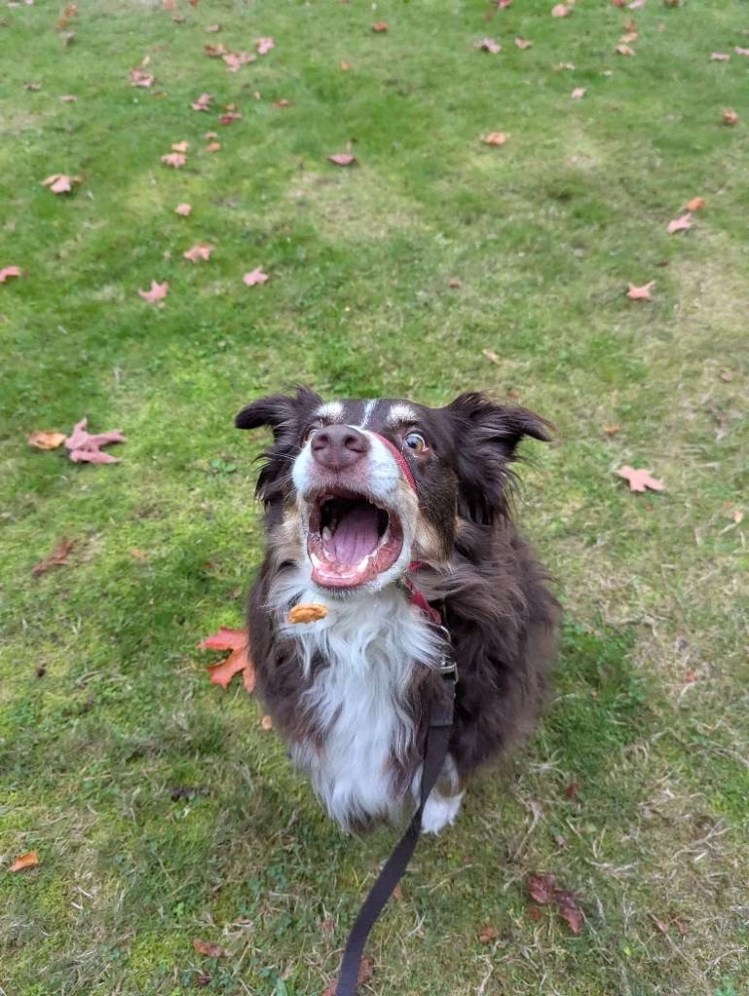
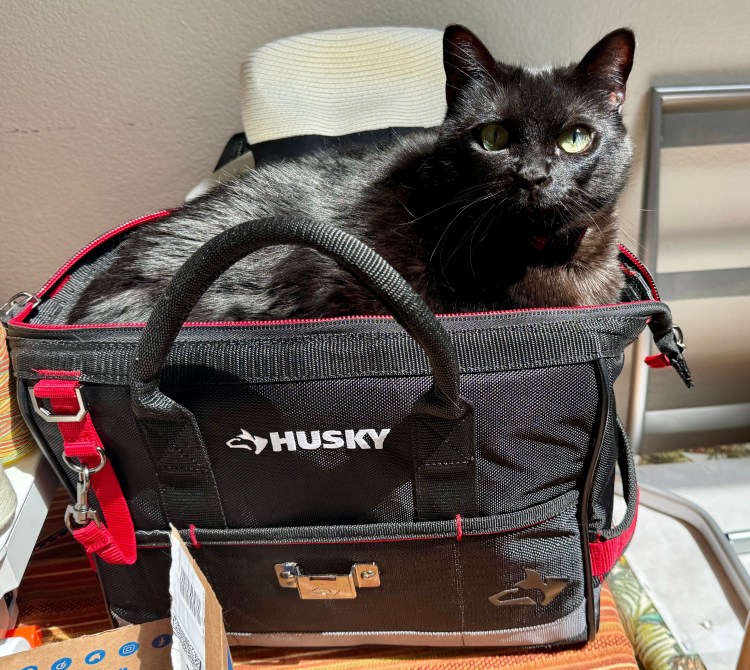
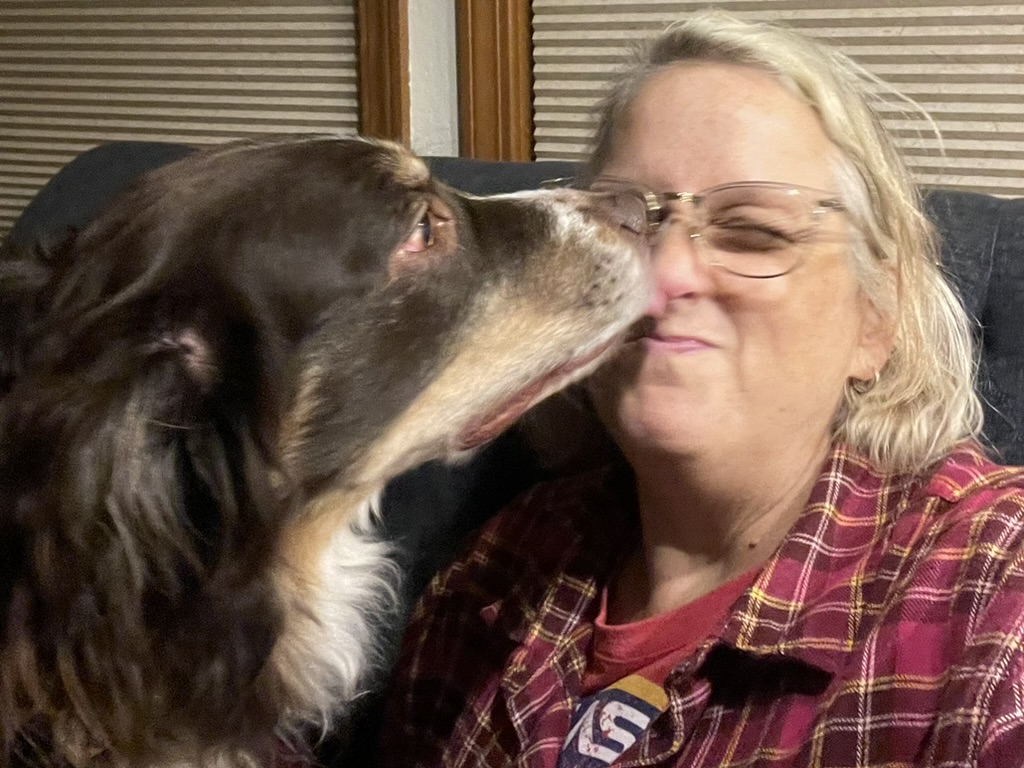
YES, we are taking the animals – Strider, Stitch, and Shuri. Our house would not be a home without them. If we couldn’t take them, we wouldn’t go.
We have found it to be more difficult and expensive than we anticipated, but it is feasible with persistence and assistance.
Import Requirements
For pets (dogs and cats) being imported into Schengen zone destinations, no quarantine is required, but a USDA health certificate validating health, rabies vaccination, and microchip is required. The USDA vet exam (by a USDA certified vet) must be carried out within 30 days of arrival date, the results transmitted to your USDA field office, and the USDA health certificate signed and sealed within 10 days of *arrival* (not departure) and sent via overnight courier to you. This last-minute delivery plan drives my recovering project manager self bonkers.
For pets flying domestically, they need a basic health certificate, signed by your vet within 10 days of your flight. This could mean you need two separate health certificates, depending on timing.
Travel Options
There are many online resources out there that explain how easy it is to take your pets to Europe – in cabin for small animals, or as hold-checked baggage for larger animals.
If your pet is small enough to fit in cabin, weighing less than 18 lbs including a softside carrier no larger than 17”x11”x11”, fitting comfortably under the seat in front of you, your options are pretty broad. Most domestic and international airlines will permit one pet per passenger in cabin, for a fee, but they do limit total number of pets in cabin on a flight so you may need to be flexible about flights.
If your pets are larger than that – and all of mine are – your options are:
- check them as baggage into the pressurized, climate-controlled cargo hold of your flight (limited options)
- have an animal transport service send them as cargo in the pressurized, climate-controlled cargo hold of your flight or a different flight (must arrive within 5 days of your arrival)
- book private jet animal transport air travel, where you and your dog can fly in cabin (K9 Jets , Bark Air, etc)
- book a trans-atlantic cruise on the Cunard Queen Mary II, which has kennels – and more than a 2 year wait list for them.
I do know a couple of people who have done a very rigorous job of training their dog to be a service dog, so that the dog can fly in cabin. The dog does need to be a service animal, not an ESA, trained to do a specific task, with completed DOT service animal paperwork, and demonstrating impeccable manners. I’ve also seen search and rescue dogs and K9 dogs flying in cabin but I have no knowledge of availability and eligibility for that.
Flying as Hold Baggage or Cargo
There are many online resources that discuss this option, and my experience was that they were all outdated and incorrect. (And this page may also be – give it two weeks!) Please check directly with your airline for current requirements and options.
Flying in hold as checked baggage and flying as cargo are two separate options. (Although both may actually end up in the same cargo area.) You arrange and check your animals as hold baggage yourself, while a licensed animal transport agent is required to facilitate international air cargo shipment on your behalf.
Here’s the constraints:
Almost no US domestic carriers will allow animals to fly internationally as hold baggage, unless the owners are flying on military PCS orders or state department relocations. Alaska Airlines will permit animals being shipped as domestic and international cargo in some cases, with significant restrictions.
The international airlines that I (and our agent) have spoken to (Air France, Lufthansa) only accept one animal as checked hold baggage PER FLIGHT – not per passenger, but per flight. They would only accept two animals shipped as cargo per licensed animal transport agent.
Other restrictions/recommendations:
- It is always better, and often required, to fly your animals on a direct flight, with no connections. This limits you to a combination of air travel and/or EU ground travel to the destination of your choice.
- Many airlines in warmer regions sharply restrict pet transport via hold or cargo during summer months. Many airlines also request a certificate of acclimatization for expected ground temperatures outside 45º – 85º F.
- Your animal cannot be visibly sedated for hold or cargo flight, any medications administered before the flight must have a veterinarian recommendation, and no medications can be administered during travel.
- Your animal must fly in IATA certified pet crates in specific sizes. Some airlines can’t carry the larger crate sizes, so check with the airline for restrictions. If your dog is larger than these sizes permit, you’ll need to have a custom crate built and ship it cargo, or take the private jet option.
- Airlines won’t permit brachycephalic dogs in hold because of breathing concerns. Your option there is private jet or ship travel.
This is a LOT of combined and conflicting requirements and limited, expensive options. Because we have three animals, all needing to be in hold/cargo, we’ve retained a licensed animal transport agent (a “Pet Concierge”) to handle the details and transport our crew from door to door. There are a number of such agents out there – we were recommended LJL Collections, and we are very happy with them.
Our Logistics
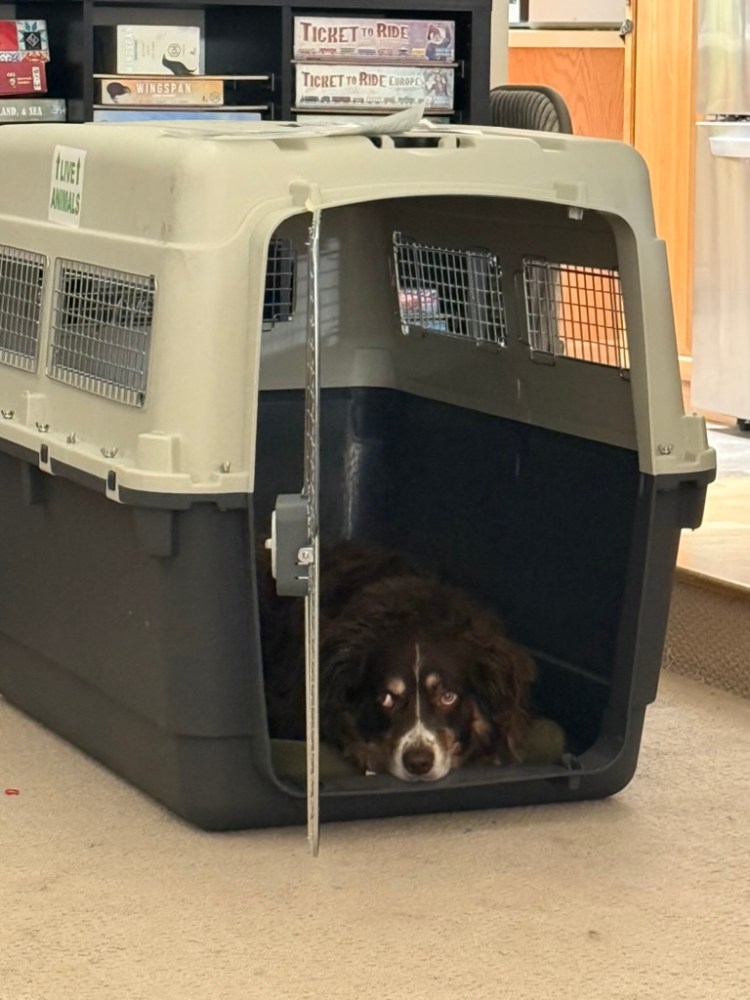
Strider requires a 600 (XXL) or 700 (Giant) crate size. The 700 is too large for Alaska airlines, so our pet concierge, Jen, has acquired us a 600 size crate in Europe (they aren’t available in the US) for his trip. Most resources strongly recommend crate training and noise/sight desensitization for your pets before the trip, unfortately, hauling a 600 size crate to the airport recreationally is a bit much. Not only is the crate 42” x 30” x 32”, it weighs 35 lbs. That, plus Strider’s body weight, makes for a 110 lb lift.
The cats each fly in a 200 (medium) crate size. This is far more manageable, and they can be stacked and strapped together. The additional challenge is that they will need a portable litter box, and also be crated for car travel.
Jen, will meet us at the house in Wisconsin the day before we travel, meet the pets and spoil them in with many treats, take Strider for a walk, and generally get comfortable with them. The morning of the trip, she and her colleague will pick up the pets, their crates, and a small supply of food, medications, and treats, take them to the airport, and check them in at air cargo. Jen and her colleague will fly on the same flight as the pets, meet them at the Paris side, and facilitate all import paperwork. They’ll stay in a pet-friendly hotel in the Paris suburbs that night, and then she will drive them to our home in Brittany for a door to door delivery.
This option is expensive, but given our inability to check them all as hold baggage, we decided this would be the simplest and most effective choice. The bonus is that upon arrival, they take a break overnight, and are delivered to our home the next day. We were very nervous about navigating CDG airport in Paris with stressed, un-pottied animals, giant pet crates and driving a big ol’ van, on minimum sleep – having someone do this for us is priceless.
After Arrival
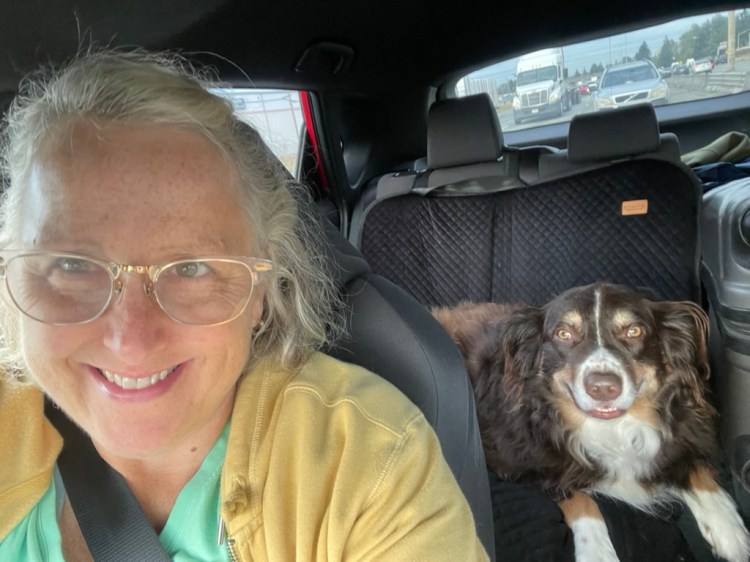
The most basic logistics items we need to take care of upon arrival are obtaining a supply of pet food and litter box(es) for the cats – the former of which lovely new friends in Josselin are helping us track down. We will travel with small retail sealed bags of food in our checked luggage, but will need to titrate over to locally available food fairly quickly.
Within three months of arrival, animals are required to visit a local EU vet for registry with the national ICAD (microchip) database. They can then be issued a pet passport, which facilitates easy pet travel among Schengen countries.
All in all, it is a lot more complicated than most online resources led us to believe it would be – but it is worth it. They are our family, too.
 House Snark